Trump Put His Former Defense Lawyer in Charge of the Justice Department
Federal power became more responsive to Trump and less capable for everyone else.
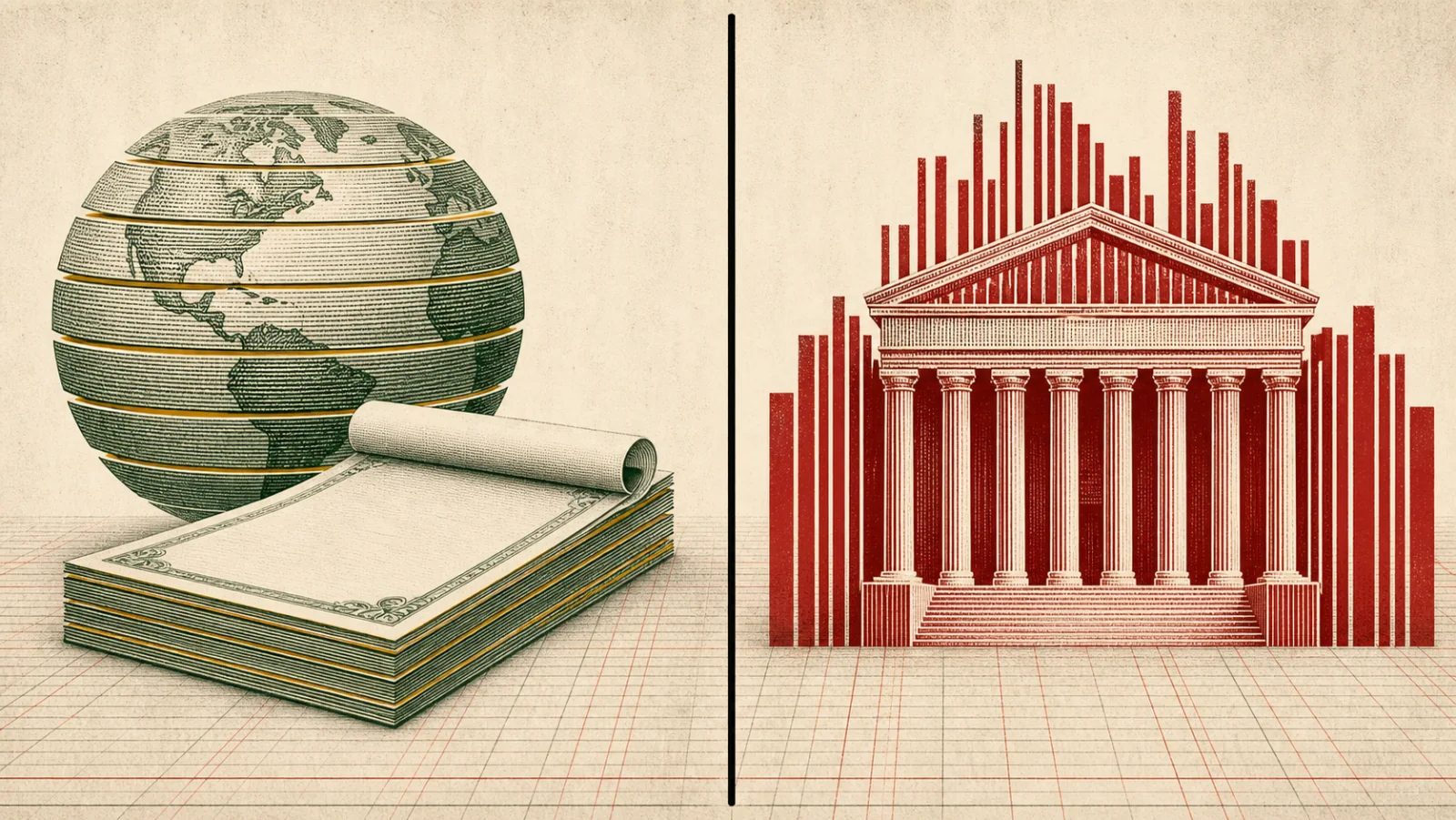
Trump's government became more responsive to one president and less capable for everyone else. Trump gained a loyal channel into criminal enforcement, tested ways around court restraints, and presided over cuts to the public workforce. These moves differ, and none alone proves a master plan. Together they shift government away from neutral rules and public capacity—toward personal targets, discretionary power, and services ordinary people discover are gone when they need them.
Trump's former defense lawyer took control of federal prosecutions. On August 8, the Senate confirmed Todd Blanche as attorney general. Representing Trump did not disqualify Blanche, and the Senate had the power to confirm him. The significance is structural: the lawyer who defended the president now runs the department that decides whom the United States charges.
The president immediately began naming targets. Two days before the vote, Trump said the Justice Department might prosecute Anthony Fauci. Earlier, he had called for jailing people who leaked word of a shortage he denied existed. A president's demand is not a charge. It is public pressure on the official who now has the power to bring one.
The administration narrowed citizenship through two orders. On August 6, one successor order limited birthright citizenship by category; another directed visa denial and removal over “birth tourism”. Reissuing a blocked policy in altered form makes successful challengers start again, allowing the government to press ahead while the next lawsuit catches up.
While power concentrated at Justice, disaster capacity quietly disappeared. The Government Accountability Office found that FEMA cut 4,300 workers without assessing the effect on disaster readiness. That is the week's less theatrical outrage: expertise was removed before anyone established what communities would lose. The damage becomes visible only when a hurricane, flood, or fire demands capacity that is no longer there.